

Inheriting a house in Las Vegas brings a big decision: should you keep it or sell it? The answer depends on your finances, your family, and the home’s condition. It also depends on steps you may not have faced before, like probate, taxes, and agreeing with siblings or other heirs.
This guide walks you through each part of the decision. You will learn how probate works in Nevada, how co-inheritors split proceeds, whether to sell as-is or renovate, and how the step-up in basis affects your taxes.
If you decide selling makes sense, Plot Property Group can make you a cash offer on your house AS-IS anywhere in the Vegas area, including Henderson, Boulder City, and Pahrump.
Factors to Consider When Deciding
When deciding whether to keep or sell an inherited house in Las Vegas, several pivotal factors come into play. These elements blend emotional depth with financial reasoning, guiding your path forward.
Emotional Attachment
Emotional ties to the property may run deep. Memories of family gatherings and cherished moments often create a poignant bond. This nostalgia can cloud judgment, making it challenging to envision letting go.
It’s important to recognize that holding onto a house carries responsibilities, including upkeep and maintenance. If the emotional connection is profound, consider finding ways to honor the legacy, such as renting out the space or using it for family gatherings.
Balancing sentiment with practicality can lead to a more informed decision.
Financial Implications
Financial implications can significantly tilt the decision-making scale. Selling the property can unlock immediate cash and potential returns, especially in Las Vegas’s competitive market. However, the process involves understanding the potential for capital gains tax.
The step-up in basis may greatly reduce your tax liability if you sell. We explain how it works in the tax section below. Maintenance costs can chip away at your finances over time, turning emotional decisions into financial burdens.
Evaluate not only market trends but also your budget, as they both dictate whether keeping or selling represents the wiser choice.
How Probate Works for an Inherited House in Nevada

Before you can sell an inherited house, you need the legal right to sell it. In many cases, that right comes through probate. Probate is the court process that confirms who inherits a person’s property and who has the authority to manage it.
In Las Vegas and the rest of Clark County, probate cases go through the Eighth Judicial District Court.
Does the House Have to Go Through Probate?
Not always. A house may skip probate if it passed to you in one of these ways:
- Living trust: The trustee can usually sell the home under the trust’s terms.
- Joint tenancy with right of survivorship: The surviving owner typically takes full ownership automatically.
- Deed upon death (transfer on death deed): Nevada allows this type of deed, which passes the home directly to a named beneficiary.
If the home was only in the deceased person’s name, with or without a will, it will likely need to go through probate.
The Basic Steps of Nevada Probate
- Someone files a petition with the court. This is usually the executor named in the will, or a close family member if there is no will.
- The court appoints a personal representative. The court issues Letters Testamentary (if there is a will) or Letters of Administration (if there is not). These letters give that person legal authority to act on behalf of the estate.
- Heirs and creditors are notified. Creditors get a set window to file claims against the estate.
- The executor pays debts, taxes, and expenses. This can include the mortgage, property taxes, and final bills.
- Remaining assets are distributed. The house is either transferred to the heirs or sold, and the proceeds are shared.
Summary vs. General Administration
Nevada offers different levels of probate based on estate size. Estates valued at $300,000 or less may qualify for summary administration, which is a simpler and often faster process. Larger estates usually go through general administration, which involves more court oversight. Very small estates may qualify for even simpler procedures.
Can You Sell a House During Probate?
Yes. The personal representative can often sell the house before probate closes. Depending on the type of administration and the authority the court grants, the sale may need court approval. That step can add time to the process.
Probate rules are detailed, and every estate is different. A Nevada probate attorney can tell you which process applies to your situation and how long it may take.
Advantages of Keeping the House
Keeping an inherited house in Las Vegas offers various benefits that can be both emotional and financial. You can tap into the long-term investment potential, enjoy personal use, and create a lasting family legacy.
Long-Term Investment Potential
Retaining the property often represents a strategic move for your future. Las Vegas’s real estate market tends to appreciate over time, with values potentially increasing significantly.
A well-kept house can serve as a financial asset. It may allow you to cultivate equity and secure a valuable resource for years to come. For instance, investing in renovations can elevate the property’s market value, turning it into a prime asset in a booming market.
You might also consider the advantage of rental income. Renting out the house generates monthly cash flow and allows you to benefit from property appreciation simultaneously.
You stay connected to the location and the property’s history while leveraging its financial potential. Some owners consider short-term rentals because of the city’s tourism. However, Las Vegas and Clark County have strict short-term rental rules, so check local licensing and zoning requirements before you count on that income.
Personal Use and Family Legacy
Keeping the inherited house offers an emotional anchor amidst the whirlwind of changes that come with loss. It serves as a sanctuary where cherished memories can unfold, holding stories of family gatherings and laughter.
This personal connection transforms the space into more than just bricks and mortar; it becomes a vessel of shared history.
Consider the potential for family gatherings. You provide a venue where relatives can reconnect, fostering bonds that might have faded over time. This legacy can nourish relationships and solidify family ties, passing on traditions to future generations.
You may also explore the option of using the home as a vacation getaway. By transforming the inherited property into a retreat for yourself and your loved ones, you create a special place to escape and create new memories.
Advantages of Selling the House
Selling an inherited house provides numerous benefits, especially in the vibrant Las Vegas market. Financial considerations often play a pivotal role in your decision-making process, making it essential to weigh these advantages carefully.
Immediate Financial Gain
When you sell the house, you unlock instant cash flow that can significantly improve your financial situation. This liquidity enables you to pay off debts, invest in new opportunities, or fund major life events.
For instance, a successful sale may allow for the purchase of a more suitable property or even the start of a business venture. In essence, this financial windfall opens doors that might otherwise remain closed.
Simplifying Estate Management
Managing an inherited property often entails juggling maintenance tasks, dealing with tenants, or simply addressing ongoing upkeep costs. By selling, you eliminate these burdens and free yourself from the emotional weight of property ownership.
Simplifying estate management allows you to focus on more pressing life pursuits. The effort required to maintain a house, from repairs to landscaping, can be both time-consuming and exhausting.
Selling provides you with a clean slate, allowing you to redirect your energy toward new opportunities and future growth.
Selling As-Is vs. Renovating an Inherited House
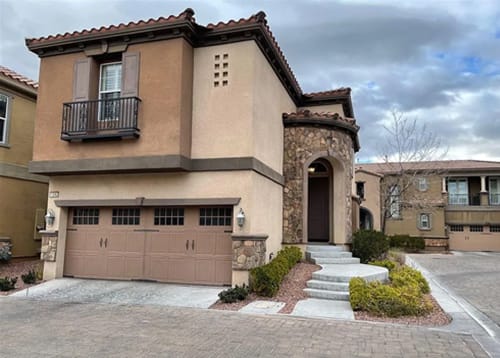
Many inherited homes in Las Vegas are older properties. They may have dated kitchens, worn roofs, aging AC systems, or years of deferred maintenance. Before you sell, you face a choice: fix the house up first or sell it as-is.
When Renovating Can Make Sense
Renovating may pay off if:
- The home needs only light cosmetic work, like paint, flooring, or landscaping.
- You have the cash to fund repairs without stretching your budget.
- You have the time to manage contractors and wait for a buyer.
- All co-inheritors agree on the budget and the plan.
When Selling As-Is Makes More Sense
Selling as-is is often the better choice if:
- The home needs major repairs, like a new roof, plumbing, electrical, or AC.
- You live out of state and cannot oversee the work.
- The home is sitting vacant and costing you money each month.
- Heirs disagree about how much to spend on repairs.
- You need to settle the estate quickly.
The Hidden Cost of Waiting
Every month you hold an inherited house, you pay to keep it. Property taxes, utilities, insurance, HOA dues, and upkeep add up fast. In the Las Vegas heat, a vacant home also needs working AC and regular checks to prevent damage. Renovations can stretch for weeks or months, and a traditional sale adds more time for showings, inspections, and buyer financing.
| Factor | Renovate and List | Sell As-Is for Cash |
| Upfront repair costs | You pay for repairs | None |
| Time before sale | Weeks to months of work, plus time on the market | Offer usually within 24 hours |
| Showings and inspections | Required | None |
| Buyer financing risk | Deal can fall through | No financing needed |
| Clean-out | You empty the house | Take what matters and leave the rest |
| Sale price potential | Higher, if repairs add value | Based on current condition |
Renovating can raise your sale price. But if the repairs cost more than they add, or the delay costs you months of bills, selling as-is may leave you with more money and far less stress.
Splitting Proceeds With Co-Inheritors
When several people inherit one house, the decision gets more complex. Each heir owns a share of the home, and everyone needs a say in what happens next.
Who Needs to Agree to the Sale?
If the house has passed to multiple heirs, all owners usually need to sign off on the sale. If the home is still in probate, the personal representative typically manages the sale, but heirs may still have rights to notice or objection. Clear communication early on can prevent delays later.
How Proceeds Are Usually Divided
Proceeds are generally split based on each heir’s ownership share. For example, three siblings who inherit equal shares would each receive one-third of the net proceeds.
Before any money is split, these costs usually come out of the sale:
- Any remaining mortgage balance
- Liens, back taxes, or unpaid HOA dues
- Closing costs and any sale-related fees
- Estate expenses, such as court and attorney fees
If one heir paid for the home’s taxes, insurance, or repairs while the estate was open, the heirs may agree to reimburse that person from the proceeds. Put any agreement like this in writing.
What If One Heir Wants to Keep the House?
One heir can buy out the others. The buyout price is usually based on the home’s appraised value, divided by each person’s share. The heir keeping the house may need financing to pay the others.
What If Heirs Cannot Agree?
If heirs cannot agree, a co-owner in Nevada can ask the court to order a partition. The court may divide the property or order it sold, with proceeds split among the owners. Partition cases can be slow and costly, so most families try mediation or a negotiated plan first.
A fast, as-is cash sale can also help. It gives every heir a clear number, removes repair debates, and lets everyone move forward at the same time.
Tax Implications of Selling an Inherited House in Las Vegas
Taxes are one of the biggest worries for people who inherit a home. The good news is that the rules often work in your favor, especially in Nevada.
No Nevada Inheritance, Estate, or State Income Tax
Nevada does not charge an inheritance tax or a state estate tax. Nevada also has no state income tax, so you will not owe state tax on the gain when you sell. Federal estate tax applies only to very large estates, and most families will not owe it.
How the Step-Up in Basis Works
When you inherit a house, the IRS resets the home’s “basis” to its fair market value on the date of death. This is called a step-up in basis.
Here is a simple example:
- Your parents bought the home years ago for $100,000.
- The home was worth $400,000 when you inherited it.
- Your new basis is $400,000, not $100,000.
If you sell for $400,000, you have no taxable gain. You don’t pay tax on the $300,000 of growth during your parents’ ownership.
When Capital Gains Tax Applies
You only owe federal capital gains tax on growth that happens after you inherit. If the home in the example rises to $500,000 before you sell, you may owe tax on the $100,000 difference.
Gains on inherited property are generally treated as long-term, no matter how long you own the home. Long-term rates are usually lower than ordinary income tax rates.
How Keeping the House Can Change Your Taxes
Holding the house can change your tax picture over time:
- If you rent it out, rental income is taxable, and you may have to pay depreciation tax when you later sell.
- If you move in, you may qualify for the home sale exclusion after living there for at least two of the five years before you sell.
- If the value rises, more of your eventual sale price may be subject to capital gains tax.
Meanwhile, you still pay property taxes, insurance, utilities, and upkeep every month.
Tips to Protect Yourself
- Get a date-of-death appraisal. It documents your stepped-up basis if the IRS asks.
- Keep records of any repairs or improvements you make after you inherit.
- Talk with a tax professional before you sell, especially if you plan to rent or hold.
Frequently Asked Questions
Can I sell without repairs?
Yes. Plot Property Group buys inherited houses as-is, in any condition. You do not need to fix a leaky roof, update old wiring, or handle years of deferred maintenance. You also do not need to clean out the home. Take what matters to you and leave the rest.
Can I sell with liens, tenants, damage, or code issues?
Yes, in most cases. We regularly buy homes with liens, back taxes, tenants in place, property damage, and code violations. We typically pay liens and unpaid balances from the sale proceeds at closing. We will review your situation and explain your options before you commit to anything.
How fast can this close?
A cash sale to Plot Property Group can close in just a few days. We usually make an offer within 24 hours of reviewing your property. You choose the closing date. If the house is still in probate, the timeline may also depend on the court and the personal representative’s authority to sell.
What documents are needed?
Most inherited home sales require:
- A certified copy of the death certificate
- The will or trust documents, if any
- Letters Testamentary or Letters of Administration, if the estate is in probate
- A copy of the deed or proof of ownership
- Government-issued photo ID for each seller
- Recent mortgage, property tax, and HOA statements, if they apply
If you are missing a document, we can help you figure out what is needed and where to get it.
What happens after I request an offer?
After you submit the form or call us at 702-825-7860, we review your property details and your situation. We then make a fair, no-obligation cash offer, usually within 24 hours. You can take time to decide. If you accept, you pick the closing date, and we handle the details through closing.
When would listing with an agent be better?
Listing with an agent may be better if the home is in good condition, you have time to wait, and your main goal is the highest possible price. It can also work well if all heirs agree and can share the costs of prep, repairs, and holding the home. If the house needs major work, sits vacant, or needs to sell quickly, a cash sale is often the simpler choice.